We Know the Big One Is Coming. Washington Keeps Choosing Not to Look.
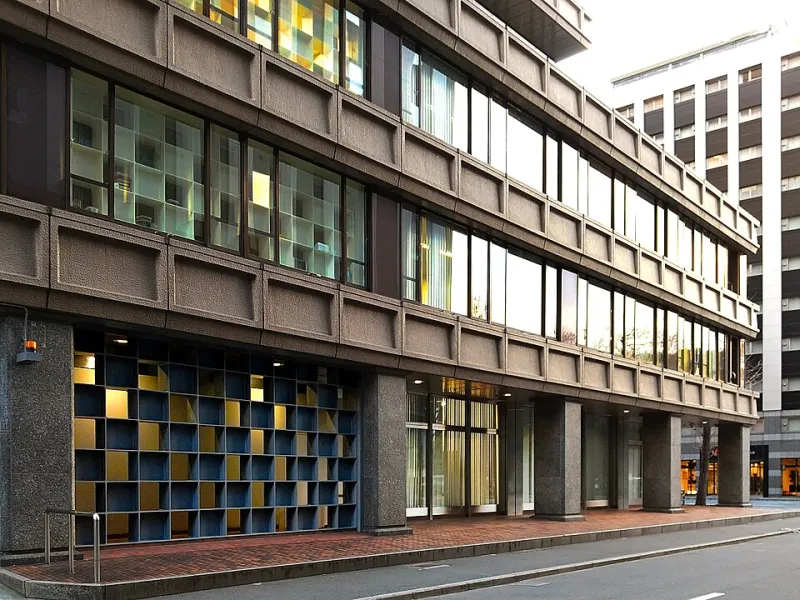
Photo: Hirho, CC BY-SA 4.0, via Wikimedia Commons
There is a particular kind of dishonesty in knowing something will happen and budgeting as though it won't. Washington has known since the 1980s that the Cascadia subduction zone is capable of producing a magnitude 9.0 earthquake. We have known for years that thousands of school buildings in the state predate modern seismic codes. And yet, session after session, retrofit funding arrives in dribs and drabs, wrapped in the language of fiscal caution, while the clock on the fault does not move.
The Retrofit That Never Quite Happens
Seismic safety is the archetypal victim of what might be called the visibility problem. A new highway has a ribbon-cutting. A retrofitted gymnasium looks exactly like the gymnasium it was before — except on the day it matters, when it holds instead of collapsing. Voters cannot see preparedness, so politicians cannot easily campaign on it, so it loses budget fights to things that photograph well.
The numbers are not abstract. State assessments have repeatedly flagged hundreds of school buildings at high risk of collapse in a major quake. Districts in coastal and river-valley communities — Aberdeen, Longview, parts of the Olympic Peninsula — sit in liquefaction zones. Some have passed local bonds to fix their buildings; many, especially in property-poor districts, simply cannot raise the money on their own.
Insurance Markets Are Already Voting
While Olympia deliberates, the private sector has started pricing the risk. Earthquake insurance in the Pacific Northwest has grown costlier and, in some markets, harder to obtain, as reinsurers recalibrate their exposure to Cascadia. Homeowners in coastal counties report premiums that make coverage feel like a luxury good. When markets signal that a catastrophe is probable, and government responds with a study, the public reasonably concludes that no one is actually in charge.
Readiness as a Civic Obligation
The case for treating preparedness as infrastructure — no different from bridges or water systems — rests on a simple premise: the state's most vulnerable residents will bear the brunt of any failure. The elderly, renters, low-income households, and people with disabilities have the fewest options when buildings fail and supply chains break. A state that prides itself on its progressive commitments cannot leave seismic safety to whoever can afford a retrofit or an insurance policy.
That means a dedicated, multi-decade funding stream for school and hospital retrofits, prioritized by risk rather than by legislative seniority. It means honest public mapping of vulnerable structures, uncomfortable as the disclosures may be. It means treating the eventual earthquake not as a possibility to be managed but as a scheduled appointment we are choosing how to attend.
Deferral is itself a policy decision — one made on behalf of every child currently sitting in an unreinforced classroom. Washington can keep postponing the conversation, but the fault line has not agreed to wait.