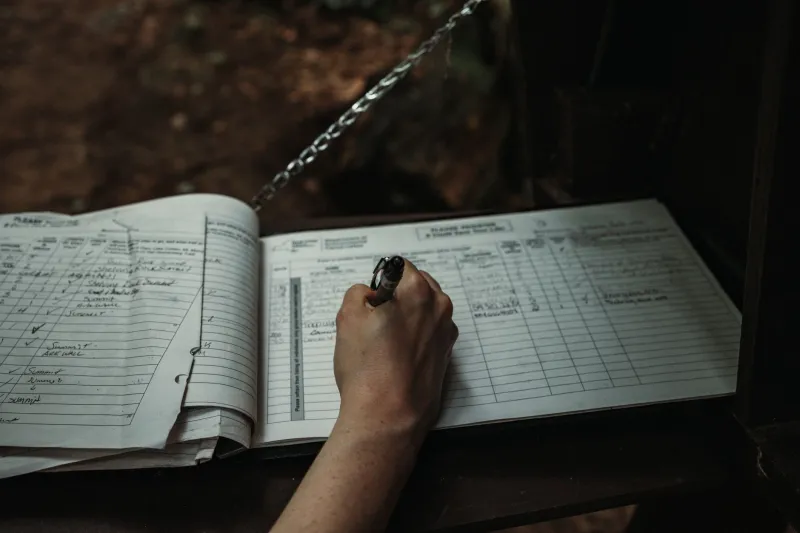
The Last Ferry Manifest: What Washington's Island Communities Lose When the Docs Get Digital
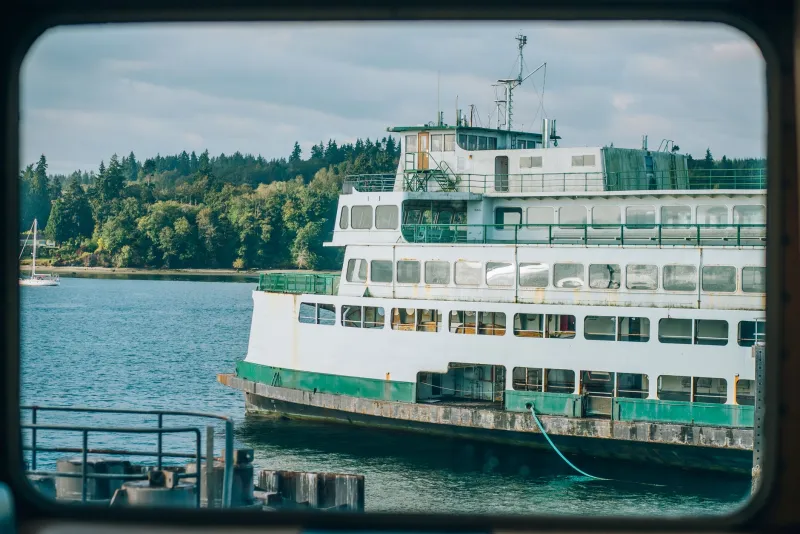
The white-and-green vessels still cross Puget Sound on the hour, but the paper trail that once accompanied them is vanishing. Over the past several years, Washington State Ferries has migrated schedules, service alerts, construction notices, and public comment portals to the web — a modernization effort the agency presents as efficiency. For a substantial share of the ridership, though, the transition has amounted to a quiet withdrawal of access.
The Broadband Gap Behind the Boat Ride
Island and peninsula communities face a paradox: they depend most on a transportation system whose information has moved to platforms they can least reliably reach. Census and state broadband maps consistently show swaths of the San Juan Islands, Vashon-Maury Island, and parts of Jefferson and Kitsap counties with connections too slow or too expensive for routine use. A canceled sailing posted to a website does not reach a senior on Shaw Island the way a laminated placard at the dock once did.
Ferry riders skew older than the general population in many terminal communities. Fixed incomes, limited data plans, and unfamiliarity with apps and PDFs compound the problem. What the agency frames as convenience, some residents describe as a locked door.
Public Notice or Public Nod
Washington's public notice requirements technically permit online-only publication for many agency announcements, and WSF has followed the letter of the law. But the letter and the spirit diverge sharply when the audience is a retiree without a smartphone. Notices about schedule restructurings, fare hearings, and terminal construction — matters that directly shape daily life on the islands — increasingly appear in venues many affected residents never see.
Legal observers note that the state's Public Records Act and open-meetings framework were written for a paper era and have been stretched to fit a digital one without a corresponding accessibility standard. There is no requirement, for instance, that an agency verify whether its affected population can actually receive electronic notice.
A Fix Within Reach
Advocates for rural connectivity propose modest remedies: restoring printed schedules at terminals, requiring dual-format notice for fare and service changes, funding community bulletin postings through libraries and grange halls, and pairing every digital alert with an SMS option for households without broadband. None of these measures is costly by the standards of a $1 billion terminal program.
The deeper issue is one of posture. Digital-first governance treats connectivity as a given; in much of western Washington's island country, it is not. Until the state builds an accessibility floor into its modernization mandates, the paperless ferry system will keep serving those already connected — and leaving the rest at the dock.