Five Washington Ballot Measures That Quietly Changed How You Live — And the Citizens Who Wrote Them at Kitchen Tables
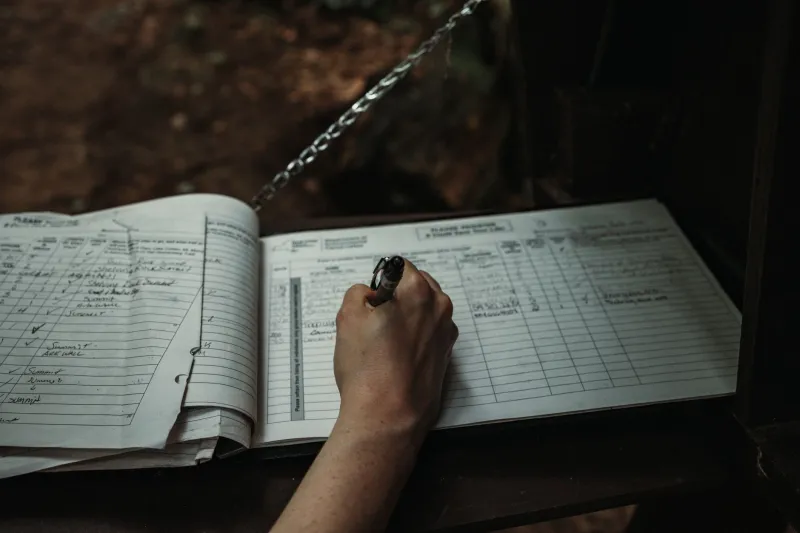
Coverage of Washington's initiative process tends to fixate on money — and reasonably so. But the state's century-old citizen initiative tradition was not built by consultants. It was built by residents who saw a problem, studied the law, and wrote their own remedy. Here are five measures whose origins would surprise the people whose lives they now shape.
1. The Minimum Wage That Set a National Pace (I-688, 1998)
Before Washington adopted the nation's highest state minimum wage, the push began with labor councils, small-town union halls, and community organizers who gathered signatures outside grocery stores from Spokane to Aberdeen. The measure's indexing provision — tying the wage to inflation — was a kitchen-table innovation that other states later copied wholesale.
2. Clean Indoor Air, Written by Ordinary People (I-901, 2005)
Washington's Smoke-Free Air Act traces to a coalition of nurses, lung-health volunteers, and restaurant workers who had spent years pressing city councils without success. The initiative's simple, uniform standard — no smoking in any public place — passed with nearly 63 percent of the vote and reshaped daily life in every tavern and bowling alley in the state.
3. The Teacher Who Rebuilt Class Size Policy (I-1351, 2014)
While a Supreme Court case dominated headlines, the class-size initiative's drafting involved classroom educators who mapped staffing ratios by hand, district by district. Its passage signaled that parents and teachers could still move statewide policy without a corporate benefactor.
4. Long-Term Care Insurance from Caregivers Themselves (I-1433 and the wage-and-care framework)
Home care workers — many of them immigrants in Spokane and King County — spent more than a decade building the campaign architecture that eventually produced Washington's first-in-the-nation public long-term care benefit. The policy's DNA came from caregiver focus groups, not boardrooms.
5. Hirst-era Water Advocacy from the Ground Up
Though legislative in its resolution, the modern water-rights conversation in the Yakima and Skagit basins was propelled by family farmers and tribal neighbors who organized hearing after hearing. Their grassroots groundwork made water policy legible to ordinary voters.
The Lesson
These victories share a pattern: patient organizing, ordinary authors, and faith in the ballot as a civic instrument. They stand as a quiet rebuttal to the idea that the initiative process belongs only to those who can afford it.